Introduction
Modern healthcare relies heavily on medical devices for diagnosis, monitoring, treatment, and prevention of diseases. From simple diagnostic tools to advanced monitoring equipment, medical devices play a crucial role in ensuring accurate healthcare delivery. In countries like Cameroon, where healthcare systems are continuously developing, the importance of quality medical devices cannot be overstated. Reliable devices help healthcare professionals provide safe, effective, and timely care to patients.
Understanding Medical Devices in Healthcare
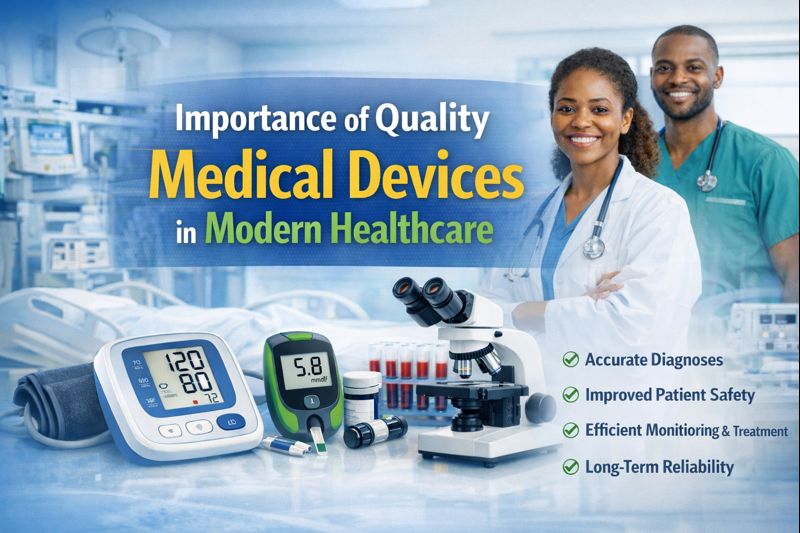
Medical devices include a wide range of products used in healthcare settings. These can be diagnostic devices such as blood pressure monitors and glucose meters, monitoring tools, and essential clinical equipment. Each device serves a specific purpose and must perform accurately to support medical decision-making.
The Role of Accuracy in Diagnosis
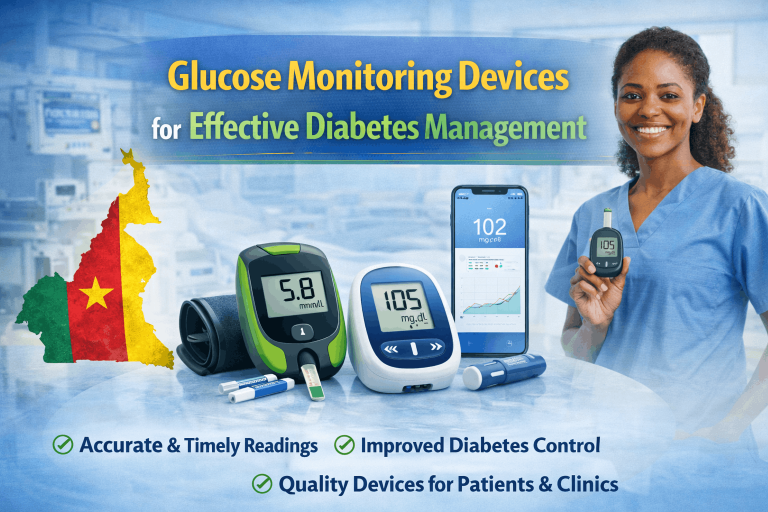
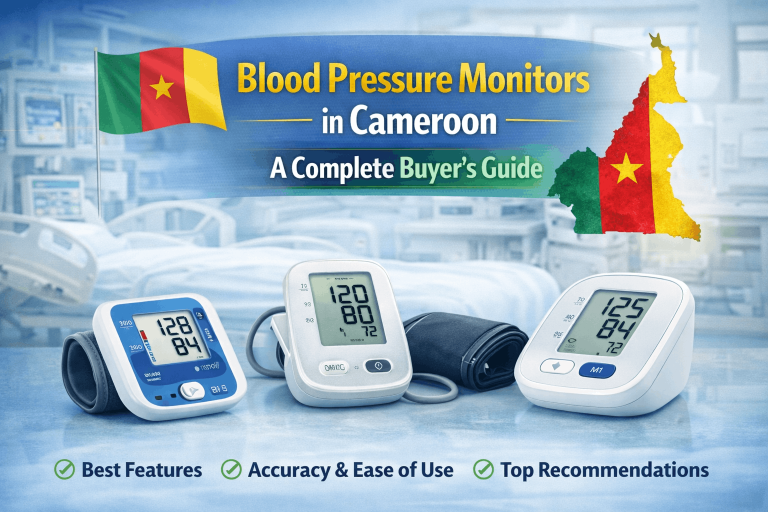
Accurate medical devices are vital for correct diagnosis. Inaccurate readings can lead to misdiagnosis, delayed treatment, or unnecessary medical interventions. For example, inaccurate blood pressure readings may result in improper treatment of hypertension, while unreliable glucose readings can affect diabetes management.
Patient Safety and Quality Medical Equipment
Patient safety is a top priority in healthcare. High-quality medical devices are designed and tested to meet safety standards, reducing the risk of errors and device failure. Certified equipment ensures consistent performance, helping protect patients from harm caused by faulty devices.
Impact on Healthcare Professionals
Healthcare professionals depend on medical devices to make informed decisions. Reliable equipment increases confidence in diagnosis and treatment plans, allowing doctors, nurses, and technicians to focus on patient care rather than questioning device accuracy.
Common Medical Devices Used Daily
Some of the most commonly used medical devices include:
– Blood pressure monitors
– Blood glucose meters
– Thermometers
– Diagnostic testing equipment
– Monitoring devices
These devices are used daily in hospitals, clinics, laboratories, and pharmacies, highlighting the importance of quality and reliability.
Why Low-Quality Devices Are a Risk
Low-quality or uncertified medical devices pose serious risks. They may provide inconsistent readings, malfunction frequently, or fail to meet safety requirements. Such devices can compromise patient care, increase operational costs, and damage the reputation of healthcare institutions.
Importance of Compliance and Certification
Quality medical devices comply with international standards and certifications. Compliance ensures that devices have undergone rigorous testing for safety, accuracy, and durability. Healthcare providers should prioritize suppliers that offer certified medical equipment.
LabPro Pharma’s Commitment to Quality
LabPro Pharma is committed to supplying high-quality medical and diagnostic devices that meet recognized standards. By working with trusted partners and manufacturers, LabPro Pharma ensures that healthcare providers in Cameroon have access to reliable and accurate medical equipment.
Supporting Long-Term Healthcare Outcomes
Quality medical devices contribute to long-term improvements in healthcare systems. Accurate diagnosis, effective monitoring, and safe treatment options help reduce complications and improve patient outcomes.
Conclusion
The importance of quality medical devices in modern healthcare cannot be overstated. Reliable, certified medical equipment supports accurate diagnosis, patient safety, and effective treatment. LabPro Pharma continues to support healthcare providers by supplying dependable medical devices that strengthen healthcare delivery and improve patient care.